
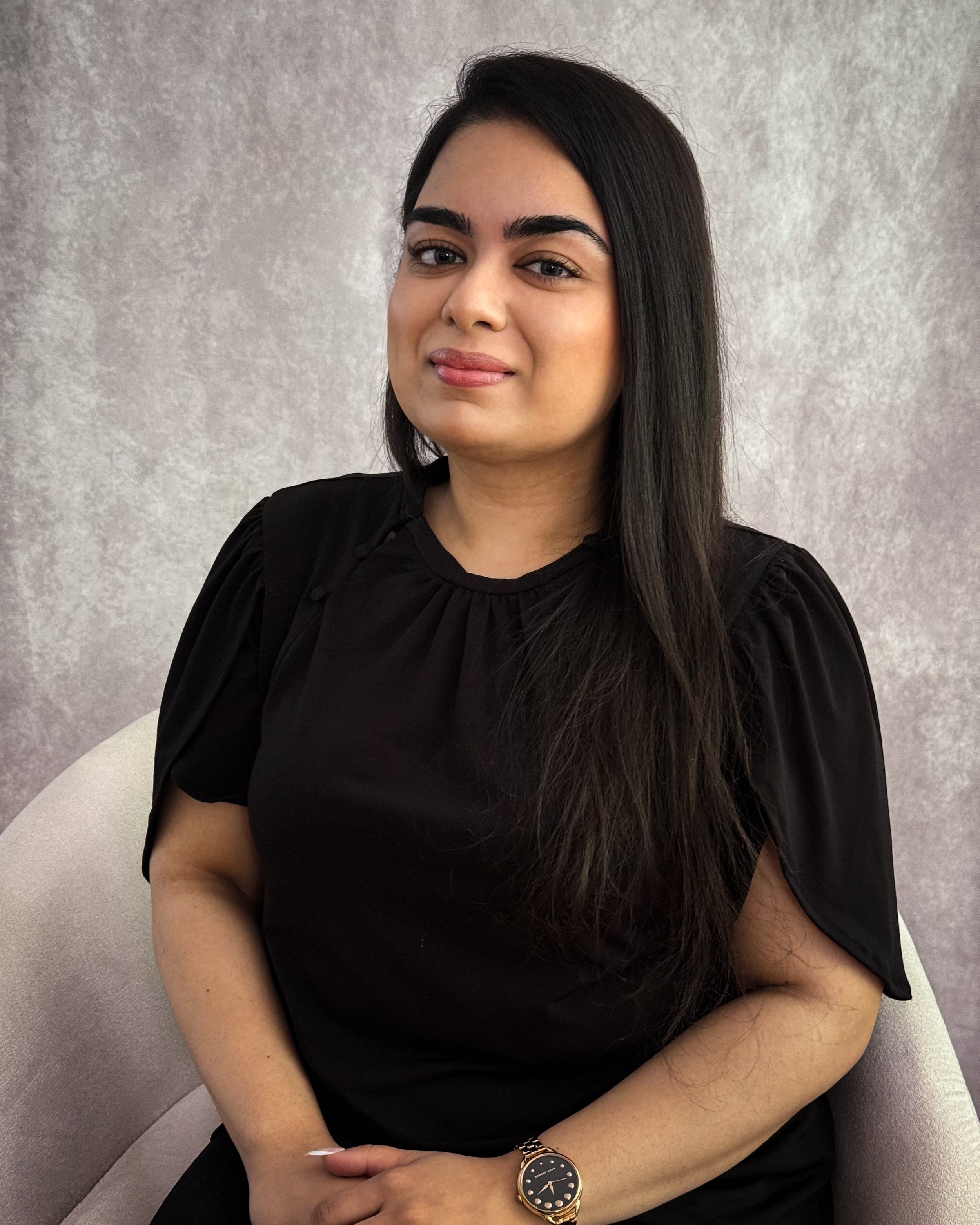
Using empathic confrontation, Navjot discusses how this skill is a highly effective tool that can drive deep change and also enhances the therapeutic relationship in counselling.
Q&A with Navjot
For starters, tell me a little about yourself
Hi, my name is Navjot—but you can call me Nav.
I’ve always found myself drawn to understanding people—what shapes us, what we carry, and how we make sense of our experiences. Over time, that naturally grew into a desire to do work that feels meaningful and connected, where I could support others through what they’re going through.
I was born and raised in Canada, and grew up balancing both my Punjabi heritage and Canadian culture. That in-between space can be really meaningful, but also challenging at times. I also saw firsthand how many people didn’t always have the resources—or the comfort—to reach out for mental health support. That stayed with me and became a big part of why I chose this path.
I hold a Master’s degree in Counselling Psychology and a Bachelor of Science in Psychology from York University, which has given me a strong foundation to support clients in a thoughtful and evidence-based way.
Outside of therapy, I love leaning into my creative side—you’ll usually find me baking (often convincing myself I’ll follow the recipe exactly… and then improvising a little), painting, planning my next trip, or getting curious about different cultures and traditions. I’m always looking for small ways to keep learning, growing, and enjoying the process along the way and that same curiosity and openness is something I bring into the therapy room.
What's your therapeutic style? What's your approach to therapy?
My therapeutic style is warm, collaborative, and grounded in a strong client-centered approach. I aim to create a space where you feel comfortable being fully yourself—no filtering, no pressure to have it all figured out—while also feeling supported enough to actually start making meaningful changes.
I see therapy as a two-way process. You bring your experiences, insights, and goals, and I bring curiosity, perspective, and tools to help you make sense of it all. Together, we explore what’s coming up for you, gently challenge patterns that may no longer be serving you, and work toward changes that feel realistic and lasting.
I don’t believe in a “one-size-fits-all” approach. Instead, I draw from a range of evidence-based modalities and tailor our work to fit you, your personality, your pace, and what you’re ready for. Some sessions might focus on deeper reflection, while others may be more practical and skill-based. We adjust as we go.
While I take the work we do seriously, I don’t believe therapy has to feel overly clinical or heavy all the time. There’s room for honesty, curiosity, and even moments of lightness along the way.
Above all, my goal is to help you feel more connected to yourself, more confident in your decisions, and supported in creating a life that feels more aligned with who you are.
What mental health concerns do you specialize in?
I specialize in supporting individuals experiencing anxiety, stress, self-esteem challenges, and relationship concerns. I also work with clients navigating life transitions, cultural identity, and the pressures that can come with balancing personal values, family expectations, and societal roles.
As someone born and raised in Canada while staying closely connected to my Punjabi heritage, I know firsthand how complex it can be to move between cultures. It can feel like you’re constantly translating between expectations, values, and even different versions of yourself. That experience can be incredibly rich, but also confusing, heavy, and at times, isolating. I enjoy working with clients who are figuring out how to honor both sides of themselves in a way that actually feels authentic (and less exhausting).
I’m also mindful of the stigma that can exist around mental health, particularly within South Asian communities, and how that can make reaching out for support feel intimidating. My goal is to create a space that feels comfortable, culturally attuned, and genuinely welcoming, where you don’t have to explain or justify your experience.
In our work together, we can explore patterns, build practical tools, and make sense of what’s been weighing on you. And while we’ll absolutely do meaningful, deeper work, I also believe therapy doesn’t have to feel overly clinical all the time—it can include moments of lightness, honesty, and even a bit of humour along the way.
What's the best compliment you have received while being a psychotherapist?
One of the most meaningful compliments I’ve received is when clients tell me they feel truly comfortable being themselves in our sessions—that they don’t feel judged, rushed, or like they have to “perform” in any way.
I’ve also had clients share that therapy with me feels both supportive and gently challenging—that they feel understood, but also encouraged to grow. That balance is really important to me, because meaningful change often comes from feeling safe enough to explore, while also being guided to look at things in new ways.
Another compliment that has stayed with me is when clients say, “I didn’t expect therapy to feel like this.” Often, they come in expecting something very clinical or intimidating, and instead find a space that feels more human, conversational, and even a little lighter at times.
For me, those moments are a reminder that creating a space where people feel safe, seen, and able to grow is at the heart of the work I do.
What can clients expect when they work with you?
When you work with me, you can expect a space where you can truly exhale. A space where you don’t have to have the right words, or have everything figured out before you walk in. You get to show up exactly as you are—and we’ll make sense of things together.
I want our work to feel supportive, but also meaningful. We’ll take the time to understand what you’re carrying, where it comes from, and how it’s impacting you—but we won’t stay stuck there. I’ll gently guide you toward new ways of thinking, feeling, and responding, at a pace that feels right for you.
You can expect me to be present, honest, and genuinely invested in your growth. I’ll listen deeply, reflect things you may not have noticed, and sometimes ask the questions that help shift something inside. Not to push you, but to support you in moving toward the version of yourself that feels more grounded, more clear, and more aligned.
And while we may talk about heavy or vulnerable things, our sessions don’t have to feel heavy all the time. There’s room for warmth, curiosity, and even moments of lightness—because growth can feel both meaningful and human at the same time.
More than anything, I want you to leave our sessions feeling a little more understood, a little more connected to yourself, and a little less alone in whatever you’re going through.
What are some therapeutic values that you bring to the table?
The values I bring into my work are rooted in empathy, authenticity, and a deep respect for each person’s story.
I believe therapy works best when you feel genuinely seen and understood. So I do my best to create a space where you can show up as you are—whether that’s feeling put together, overwhelmed, unsure, or somewhere in between. There’s no expectation to have the “right words” or to make things sound a certain way.
Authenticity is really important to me. I don’t believe in being distant or overly clinical—I show up as a real person who is present with you, engaged in your story, and genuinely invested in your growth. You can expect warmth, honesty, and at times, a little bit of humour when it feels right.
I also value collaboration. Therapy isn’t something being done to you—it’s something we build together. Your voice, your pace, and your comfort matter, and I want you to feel like you have space to be open about what’s working and what’s not.
Cultural awareness is another value I hold closely. Our identities and lived experiences shape so much of how we move through the world, and I aim to hold space for that in a way that feels thoughtful, respectful, and affirming.
Above all, I value growth that feels real and sustainable. Not rushed or pressured, but grounded in self-understanding, self-compassion, and those small, meaningful shifts that slowly start to change how you feel in your day-to-day life (the kind that actually stick).
Why choose you?
Choosing a therapist is personal—you’re basically picking someone to sit with you through the real stuff, so the vibe matters. If you’re looking for a space that feels warm, honest, and easy to settle into—while still being gently challenged to grow—I would be a great fit. I bring both professional training and lived experience, especially when it comes to navigating culture, identity, and all the in-between moments that don’t always get talked about. I won’t rush you, I won’t expect you to have it all figured out—but I will support you in making sense of things and creating real, lasting change. If that sounds like what you’re looking for, I’d love to connect.