
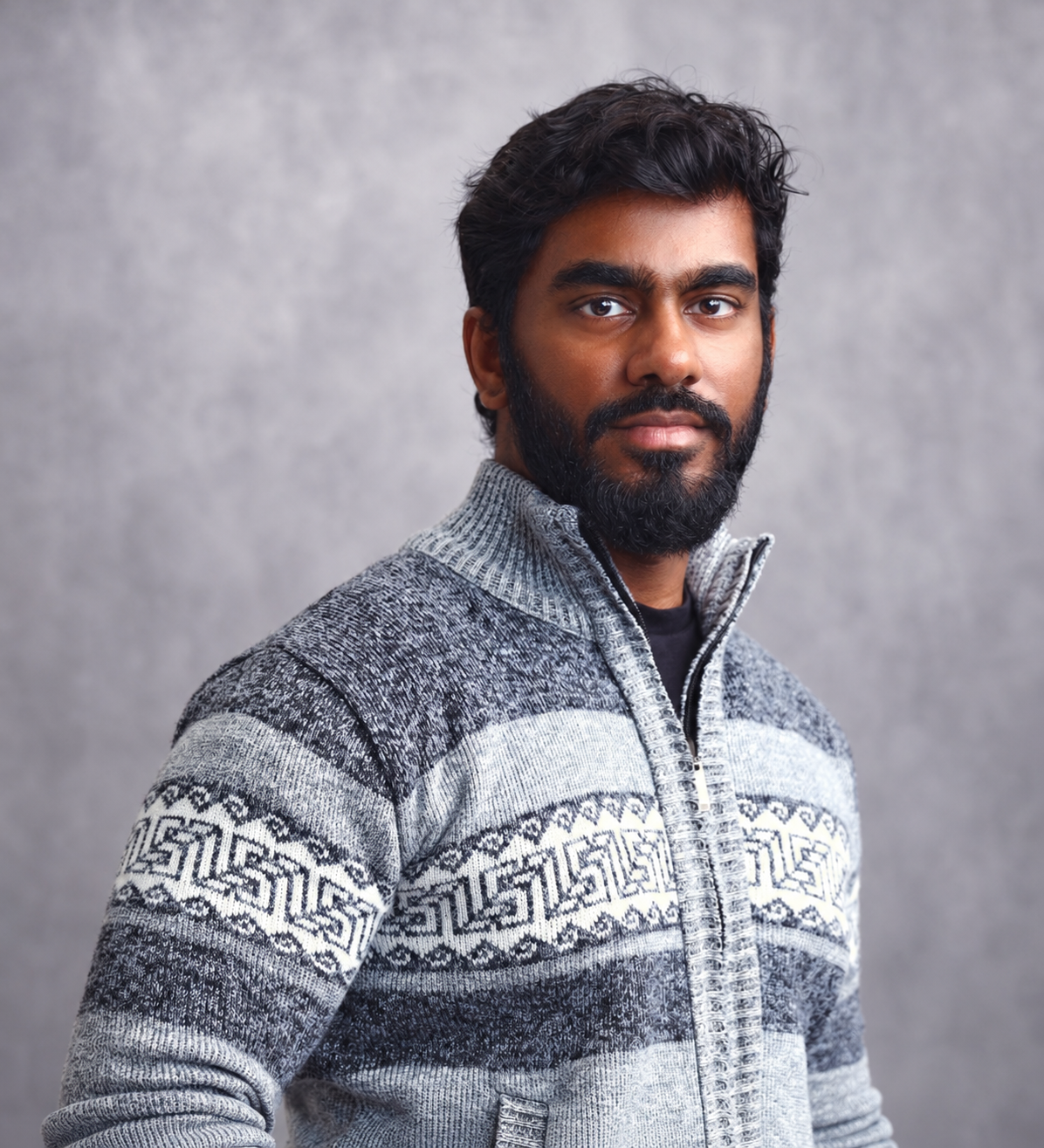
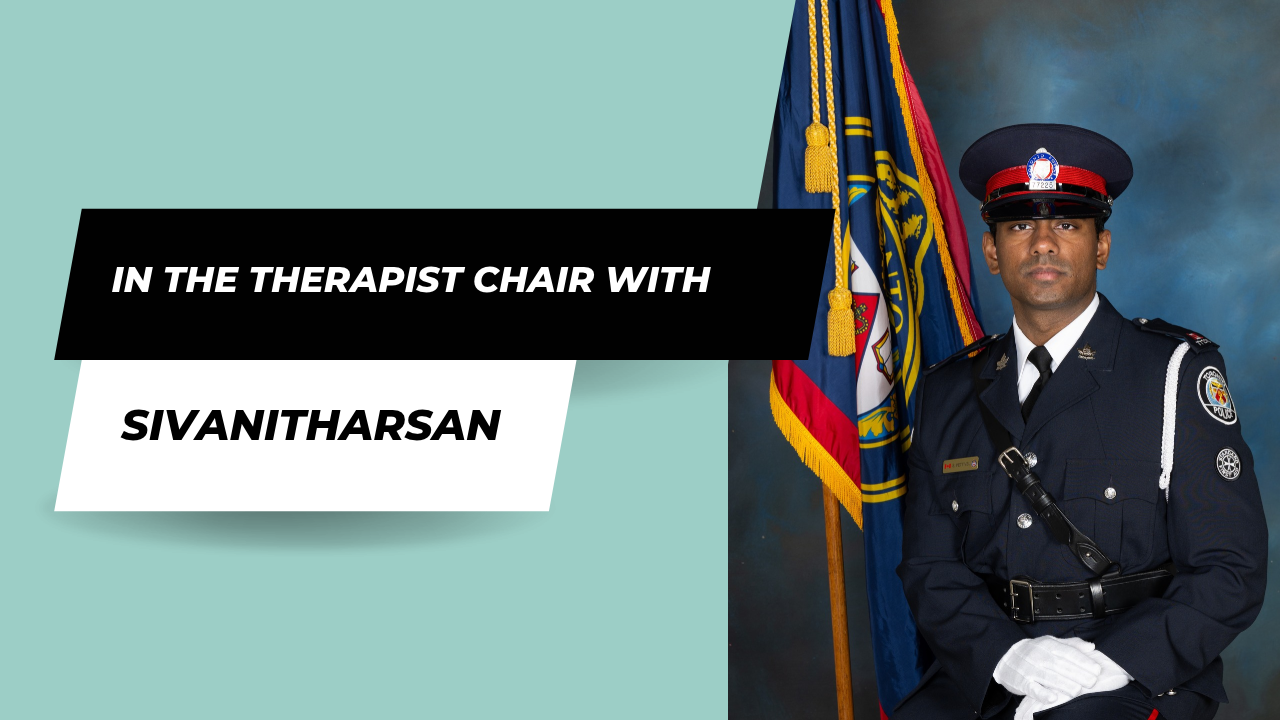
As someone who has a special interest in working with immigrants and newcomers, Sivani discusses unique mental health and identity challenges specific to this population
Q&A with Sivani
For starters, tell me a little about yourself
I’m Sivani, a psychotherapist who came to Canada from Sri Lanka at the age of eight as a refugee with my family. My experiences have shaped my appreciation for how culture, family, and life events influence our identity and relationships.
My approach is informed by Jung, Freud, and Irvin Yalom. Together, we explore your life story, childhood experiences, and patterns that may influence you outside your awareness. I place particular value on an honest therapeutic relationship where you can feel understood and supported in being vulnerable.
I have a particular interest in supporting people experiencing severe and complex mental health concerns, including schizophrenia, personality disorders, bipolar disorder, and other mood disorders, including major depressive disorder.
On my days away from the clinic, I work as a police officer. This work continually deepens my understanding of human suffering and keeps me close to the lived experiences clients share in therapy.
What's your therapeutic style? What's your approach to therapy?
I want to understand how you became the person you are today—the experiences that shaped you, the relationships that influenced you, and the parts of yourself you may not yet fully understand. I place honesty at the centre of our work. Together, we build a relationship where you can gradually speak openly, become vulnerable, and explore things that may be difficult to acknowledge.
My approach draws on Jungian and Freudian perspectives, alongside Irvin Yalom’s relational and here-and-now work. We begin by exploring your childhood, significant relationships, and life experiences. Together, we examine unconscious patterns that may be guiding your feelings, choices, and relationships without your realization.
I often use dream analysis to explore the unconscious more deeply. Through your personal associations with the dream, we consider how underlying feelings, wishes, and conflicts may connect to the major concerns in your life and influence how you respond to them.
I also pay attention to what unfolds between us in the session, using our therapeutic relationship to deepen understanding and explore new ways of relating. My aim is to help you understand yourself more deeply and make more conscious choices about how you live.
Why did you choose psychotherapy?
My early childhood was marked by suffering and confusion, which shaped my desire to understand how our experiences influence our lives. As a police officer, I also saw how powerful human connection can be and how much it matters to feel understood.
I believe I have the best profession in the world. I see psychotherapy at the forefront of meaningful change, through an honest relationship and deeper self-understanding. I learn from every client, and I continue to grow as I help them.
What’s your best skill in psychotherapy?
We share meaningful parts of our lives with those closest to us, but I imagine that each of us also carries a locked box at the centre of our chest. Inside are secrets, shame, guilt, desires, love, anger, and feelings we may struggle to acknowledge even to ourselves. Some people carry that box unopened throughout their lives.
My strongest skill is helping you build enough trust to begin opening it. I believe experiencing vulnerability and being understood in those deeply private places can be healing. I also use dream analysis to help us explore what may be outside your awareness and find words for what has been difficult to share.
What can clients expect when they work with you?
You can expect someone who truly cares about your development and is willing to have difficult, honest conversations with you. If I sense something is being held back, I will bring it into our conversation with curiosity. My responsibility is to be open about what I notice, and we will explore it together.
I will continually explore how we interact with each other, because what happens between us can be a microcosm of the broader struggles in your life. I want us to build a relationship centred on the pursuit of truth—where you can gradually share the parts of yourself you have kept hidden, and where what we discover stays with you beyond our sessions.
What are some therapeutic values that you bring to the table?
I value truthful expression of emotion, the courage to share what is difficult, and a commitment to growth. I also value our willingness to stay present with each other when the work becomes uncomfortable—to speak openly about what is happening between us and explore it together. I bring that same commitment to you and our therapeutic relationship.
Why choose you?
Psychotherapy is an obsession for me. I spend much of my time outside sessions reading, questioning, and trying to understand my clients more deeply. I want to know how we become who we are, why we suffer, and how an honest relationship can help us change. That curiosity follows me beyond the therapy room—and it is what I bring to our work together.