
Norman Rehman

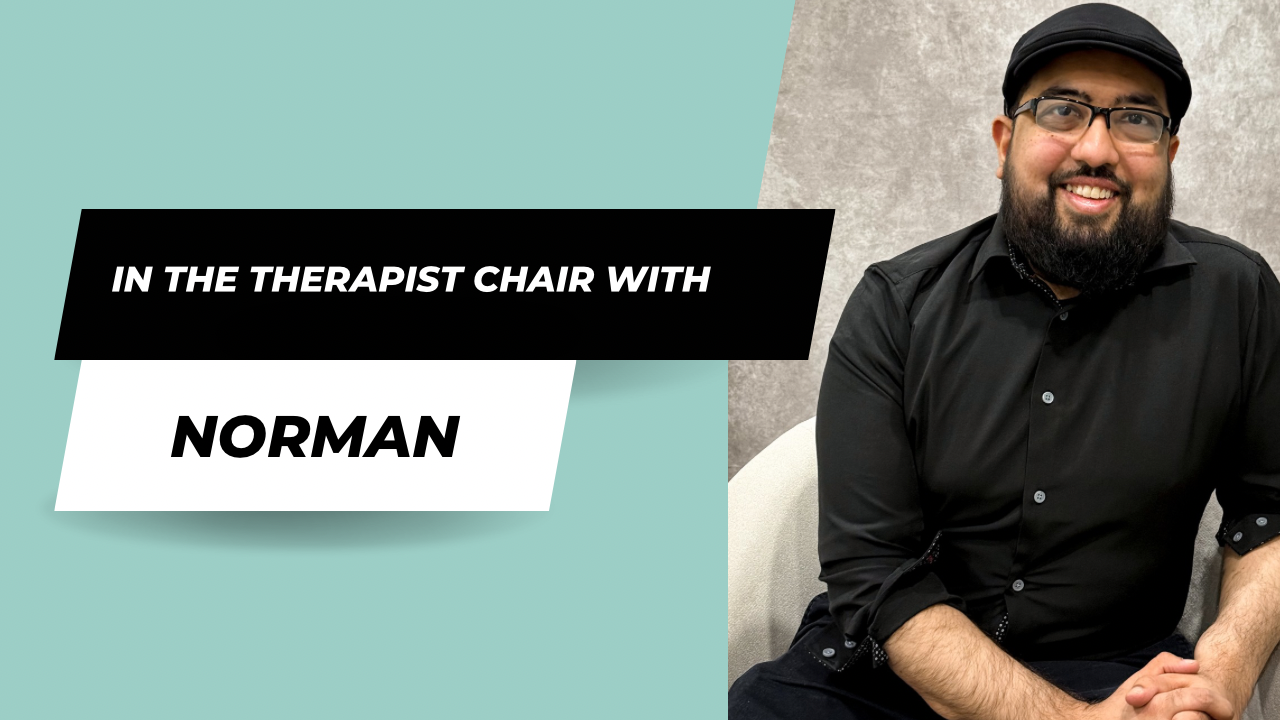
Norman chats with us about what brings couples into couples counselling, citing criticism and judgement as culprits, and how working with him can remove these challenges.
Q&A with Norman
For starters, tell me a little about yourself
I’m a Registered Psychotherapist (Qualifying) with a Master’s degree in Counselling Psychology, graduated with distinction. I enjoy working with both individuals and couples, particularly those looking for practical support and real change. I’m fluent in English and Urdu, and I aim to make therapy feel approachable, focused, and supportive so everyone feels understood while also making steady progress toward the changes they’re hoping for.
What's your therapeutic style? What's your approach to therapy?
My style is solution-focused, collaborative, and supportive. I use evidence-based approaches such as CBT, solution-focused brief therapy, trauma-focused CBT, prolonged exposure, and Gottman Method couples therapy. I work closely with clients to identify goals, build on strengths, and develop practical tools they can apply outside of sessions.
Why did you choose psychotherapy?
I chose psychotherapy because I’ve always been drawn to helping people work through challenges and move toward practical solutions. Through years of supporting others in both local and international volunteer and professional roles, I saw how meaningful it can be to help people regain stability, clarity, and direction, especially in their relationships. Psychotherapy allows me to do this work in a collaborative, goal-oriented way.
What’s your best skill in psychotherapy?
My strongest skill is helping clients turn insight into action. I’m particularly good at working collaboratively with individuals and couples to clarify what they want to change, break goals down into realistic steps, and move forward in a way that feels manageable. In couples therapy, this often means helping partners shift from feeling stuck or disconnected to working as a team again, improving communication, reducing conflict, and building solutions that actually work in real life
What can clients expect when they work with you?
Clients can expect a therapist who is approachable, organized, and focused on outcomes. Sessions are structured but flexible, and we work together to identify what’s not working and what clients want to change. In couples therapy, clients can expect a balanced approach where both partners feel heard and where the focus is on improving communication, reducing conflict, and strengthening the relationship.
What are some therapeutic values that you bring to the table?
I value collaboration, clarity, respect, and transparency. I believe therapy works best when clients feel like active participants rather than passive recipients. I focus on building a safe, non-judgmental space while also keeping therapy goal-oriented and forward-moving so that clients can see progress.
Why choose you?
Clients often choose me because I’m solution-focused, practical, and collaborative. Whether I’m working with individuals or couples, my goal is to help clients move from feeling stuck to finding clear, workable solutions that actually fit their lives. In couples therapy especially, I help partners slow things down, understand each other better, and work together toward meaningful change rather than staying caught in the same arguments and patterns.